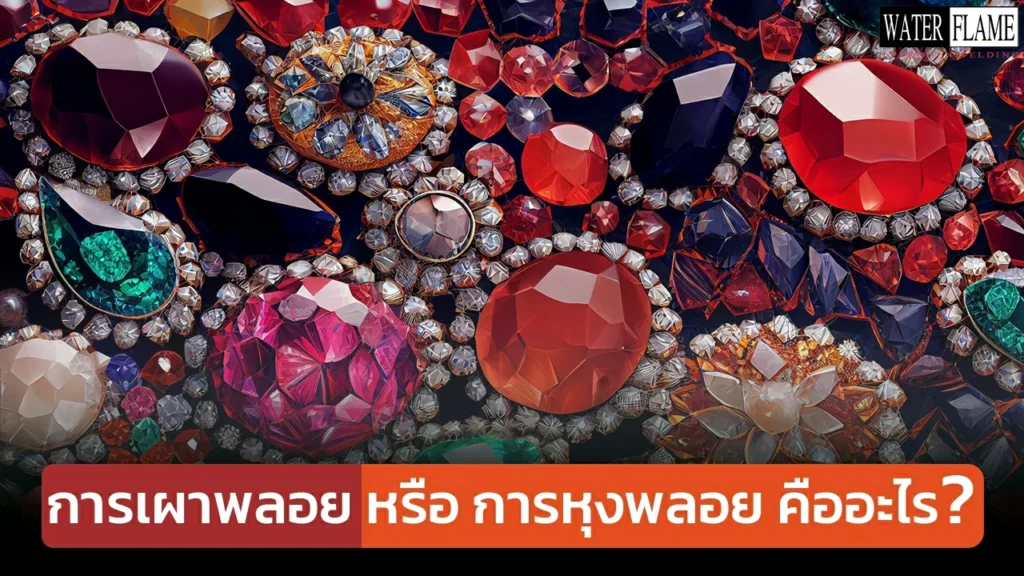
What Is Gemstone Heating (Heat Treatment) ?
Gemstone heating, also known as heat treatment, is a process used to enhance the beauty of gemstones by applying heat under controlled temperatures and conditions. The treatment allows certain elements within the gemstone to become clearer and permanently alters its color.
Examples of Gemstone Types and Color Changes After Heating
Below are examples of gemstones, their natural colors, and the colors that may change after heat treatment:
-
Ruby
-
Blue Sapphire (Pailin)
-
White Sapphire
-
Zircon
-
Topaz
-
Amethyst (Quartz)
Typical color changes may include
-
Reddish-purple, reddish-brown, or pinkish-purple → deeper blue or brighter blue
-
Blue → blue, green, yellow, or golden yellow
-
Clear white, milky white, or slightly yellowish → colorless, golden yellow, or blue
-
Brown or tea color → colorless or golden yellow
-
Purple → vivid red or bright pink
-
Some blue stones (after prior neutron irradiation to produce yellow, brown, or green) → blue after heating
-
Colorless → golden yellow or green
Dyeing and Surface Coating
Dyeing or chemical coating involves heating gemstones together with certain chemicals to enhance their color. The chemicals typically contain trace elements similar to those that naturally create color in gemstones.
However, unlike standard heat treatment, the color produce
d by dyeing or coating is usually temporary and may fade over time.
Irradiation Treatment
Irradiation is a process in which gemstones are exposed to gamma rays, commonly from Cobalt-60, to alter their color. This treatment changes the gemstone’s appearance by modifying its internal structure.
Advanced High-Temperature Heating and Reshaping
In some cases, gemstone heating involves very high temperatures to reduce the size of a large rough stone and reshape it, leaving only high-quality portions with desirable characteristics.
This process requires temperatures high enough for the gemstone to begin softening or partially melting, allowing it to be reshaped according to the lapidary’s or jeweler’s requirements.
The procedure involves multiple steps, including
-
Gradual heating over a controlled period to prevent thermal shock
-
Careful temperature and pressure control
-
Monitoring to ensure consistent, high-quality results
Gemstone heating is therefore not only a process of reshaping, but also one of refining color and transparency to achieve the most beautiful and desirable appearance for customers and collectors.

Factors Affecting Gemstone Heat Treatment
1. Temperature and Pressure
Proper control of temperature and pressure during the heating process is essential to produce high-quality gemstones and to prevent damage. Inappropriate temperature levels may cause cracking, discoloration, or structural defects within the stone.
2. Control of the Heating Process
The lapidary or gemstone specialist must possess sufficient knowledge and technical skill to precisely control the heating procedure. Each gemstone type may require different settings, and adjustments must be carefully calibrated to suit the specific mineral characteristics.
3. Heating Duration
The heating process must be conducted over an appropriate period of time. Gradual heating allows the gemstone to respond slowly to temperature changes and helps prevent uneven thermal expansion or thermal shock between different parts of the stone.
4. Atmosphere Control
Controlling the external atmosphere within the furnace is crucial. The presence of oxygen, reducing gases, or fuel-related gases can significantly influence the heating reaction, affecting both the speed of the process and the final color outcome.
Conclusion
Gemstone heat treatment is a complex and highly specialized process that requires expertise and precision. Proper control and adjustment of all relevant parameters are critical to achieving gemstones with superior quality and characteristics that meet customer or market demands.
Additional Insights into the Gemstone Heat Treatment Process
To further enhance understanding of gemstone heating, the following aspects are also important
1. Pre-Heating Preparation
Preparing gemstones before heating is a critical step. This may include cutting and preforming the rough stone into the desired shape, as well as inspecting the gemstone’s clarity, inclusions, and overall quality before treatment. Proper preparation helps minimize the risk of damage during heating.
2. Use of Accelerating Agents
In some cases, certain chemicals or flux materials may be introduced to accelerate the heating process. These substances can help reduce treatment time; however, they may also affect the final quality, structure, or appearance of the gemstone if not carefully controlled.
3. Color and Transparency Control
Gem cutters or gemstone specialists may adjust color and transparency by carefully modifying temperature levels and heating duration. Fine-tuning these variables allows the desired color tone and clarity to be achieved according to market demand or customer preference.
4. Control of Surface Reactions or Material Loss
During some heating processes, it may be necessary to control surface reactions, oxidation, or minor material loss. Proper management ensures the gemstone retains an attractive appearance and unique characteristics without excessive weight reduction or surface damage.
5. Post-Heating Refinement
After the heating process is completed, additional cutting or polishing may be performed to refine the gemstone’s shape and enhance its brilliance and overall appearance.
6. Quality Evaluation
Once heating is finished, the gemstone owner or lapidary will carefully evaluate the treated stone. This includes assessing color, clarity, structural stability, and overall quality. The evaluation helps determine whether further adjustments are needed in future treatments to achieve optimal results.
Gemstone heating is not merely a central process of reshaping materials; it is a highly specialized procedure that requires extensive knowledge and expertise.
Achieving gemstones with the desired quality and characteristics demands precise control and professional skill in every stage of the treatment. Each heating cycle must be carefully managed to meet specific customer or market requirements.
Hydrogen Heating Technology
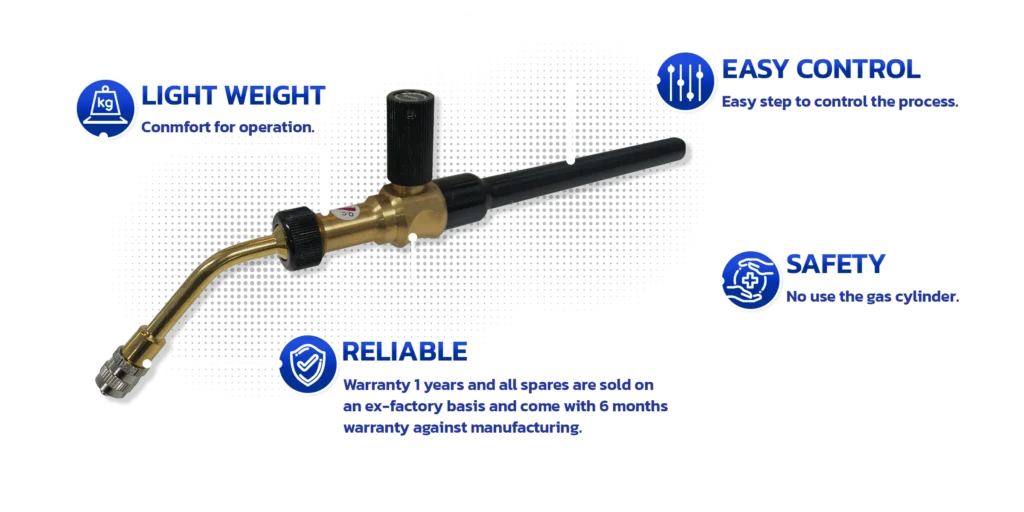
Hydrogen-based heating offers significant advantages in gemstone processing. The process produces no smoke, no soot residue, and no blackening on the workpiece. It delivers high temperatures with precise adjustability, allowing operators to control heat levels according to specific treatment needs.
For jewelry and gemstone industries seeking cleaner and more efficient heating solutions, we recommend considering a Hydrogen Gas Generator for industrial jewelry applications, designed to provide stable, high-temperature performance with environmentally friendly operation.
What Is Gemstone Heating (Heat Treatment) ?
Gemstone heating, also known as heat treatment, is a process used to enhance the beauty of gemstones by applying heat under controlled temperatures and conditions. The treatment allows certain elements within the gemstone to become clearer and permanently alters its color.
Examples of Gemstone Types and Color Changes After Heating
Below are examples of gemstones, their natural colors, and the colors that may change after heat treatment:
Ruby
Blue Sapphire (Pailin)
White Sapphire
Zircon
Topaz
Amethyst (Quartz)
Typical color changes may include
Reddish-purple, reddish-brown, or pinkish-purple → deeper blue or brighter blue
Blue → blue, green, yellow, or golden yellow
Clear white, milky white, or slightly yellowish → colorless, golden yellow, or blue
Brown or tea color → colorless or golden yellow
Purple → vivid red or bright pink
Some blue stones (after prior neutron irradiation to produce yellow, brown, or green) → blue after heating
Colorless → golden yellow or green
Dyeing and Surface Coating
Dyeing or chemical coating involves heating gemstones together with certain chemicals to enhance their color. The chemicals typically contain trace elements similar to those that naturally create color in gemstones.
However, unlike standard heat treatment, the color produce
d by dyeing or coating is usually temporary and may fade over time.
Irradiation Treatment
Irradiation is a process in which gemstones are exposed to gamma rays, commonly from Cobalt-60, to alter their color. This treatment changes the gemstone’s appearance by modifying its internal structure.
Advanced High-Temperature Heating and Reshaping
In some cases, gemstone heating involves very high temperatures to reduce the size of a large rough stone and reshape it, leaving only high-quality portions with desirable characteristics.
This process requires temperatures high enough for the gemstone to begin softening or partially melting, allowing it to be reshaped according to the lapidary’s or jeweler’s requirements.
The procedure involves multiple steps, including
Gradual heating over a controlled period to prevent thermal shock
Careful temperature and pressure control
Monitoring to ensure consistent, high-quality results
Gemstone heating is therefore not only a process of reshaping, but also one of refining color and transparency to achieve the most beautiful and desirable appearance for customers and collectors.
Factors Affecting Gemstone Heat Treatment
1. Temperature and Pressure
Proper control of temperature and pressure during the heating process is essential to produce high-quality gemstones and to prevent damage. Inappropriate temperature levels may cause cracking, discoloration, or structural defects within the stone.
2. Control of the Heating Process
The lapidary or gemstone specialist must possess sufficient knowledge and technical skill to precisely control the heating procedure. Each gemstone type may require different settings, and adjustments must be carefully calibrated to suit the specific mineral characteristics.
3. Heating Duration
The heating process must be conducted over an appropriate period of time. Gradual heating allows the gemstone to respond slowly to temperature changes and helps prevent uneven thermal expansion or thermal shock between different parts of the stone.
4. Atmosphere Control
Controlling the external atmosphere within the furnace is crucial. The presence of oxygen, reducing gases, or fuel-related gases can significantly influence the heating reaction, affecting both the speed of the process and the final color outcome.
Conclusion
Gemstone heat treatment is a complex and highly specialized process that requires expertise and precision. Proper control and adjustment of all relevant parameters are critical to achieving gemstones with superior quality and characteristics that meet customer or market demands.
Additional Insights into the Gemstone Heat Treatment Process
To further enhance understanding of gemstone heating, the following aspects are also important
1. Pre-Heating Preparation
Preparing gemstones before heating is a critical step. This may include cutting and preforming the rough stone into the desired shape, as well as inspecting the gemstone’s clarity, inclusions, and overall quality before treatment. Proper preparation helps minimize the risk of damage during heating.
2. Use of Accelerating Agents
In some cases, certain chemicals or flux materials may be introduced to accelerate the heating process. These substances can help reduce treatment time; however, they may also affect the final quality, structure, or appearance of the gemstone if not carefully controlled.
3. Color and Transparency Control
Gem cutters or gemstone specialists may adjust color and transparency by carefully modifying temperature levels and heating duration. Fine-tuning these variables allows the desired color tone and clarity to be achieved according to market demand or customer preference.
4. Control of Surface Reactions or Material Loss
During some heating processes, it may be necessary to control surface reactions, oxidation, or minor material loss. Proper management ensures the gemstone retains an attractive appearance and unique characteristics without excessive weight reduction or surface damage.
5. Post-Heating Refinement
After the heating process is completed, additional cutting or polishing may be performed to refine the gemstone’s shape and enhance its brilliance and overall appearance.
6. Quality Evaluation
Once heating is finished, the gemstone owner or lapidary will carefully evaluate the treated stone. This includes assessing color, clarity, structural stability, and overall quality. The evaluation helps determine whether further adjustments are needed in future treatments to achieve optimal results.
Gemstone heating is not merely a central process of reshaping materials; it is a highly specialized procedure that requires extensive knowledge and expertise.
Achieving gemstones with the desired quality and characteristics demands precise control and professional skill in every stage of the treatment. Each heating cycle must be carefully managed to meet specific customer or market requirements.
Hydrogen Heating Technology
Hydrogen-based heating offers significant advantages in gemstone processing. The process produces no smoke, no soot residue, and no blackening on the workpiece. It delivers high temperatures with precise adjustability, allowing operators to control heat levels according to specific treatment needs.
For jewelry and gemstone industries seeking cleaner and more efficient heating solutions, we recommend considering a Hydrogen Gas Generator for industrial jewelry applications, designed to provide stable, high-temperature performance with environmentally friendly operation.
What Is Gemstone Heating (Heat Treatment) ?
Gemstone heating, also known as heat treatment, is a process used to enhance the beauty of gemstones by applying heat under controlled temperatures and conditions. The treatment allows certain elements within the gemstone to become clearer and permanently alters its color.
Examples of Gemstone Types and Color Changes After Heating
Below are examples of gemstones, their natural colors, and the colors that may change after heat treatment:
Ruby
Blue Sapphire (Pailin)
White Sapphire
Zircon
Topaz
Amethyst (Quartz)
Typical color changes may include
Reddish-purple, reddish-brown, or pinkish-purple → deeper blue or brighter blue
Blue → blue, green, yellow, or golden yellow
Clear white, milky white, or slightly yellowish → colorless, golden yellow, or blue
Brown or tea color → colorless or golden yellow
Purple → vivid red or bright pink
Some blue stones (after prior neutron irradiation to produce yellow, brown, or green) → blue after heating
Colorless → golden yellow or green
Dyeing and Surface Coating
Dyeing or chemical coating involves heating gemstones together with certain chemicals to enhance their color. The chemicals typically contain trace elements similar to those that naturally create color in gemstones.
However, unlike standard heat treatment, the color produce
d by dyeing or coating is usually temporary and may fade over time.
Irradiation Treatment
Irradiation is a process in which gemstones are exposed to gamma rays, commonly from Cobalt-60, to alter their color. This treatment changes the gemstone’s appearance by modifying its internal structure.
Advanced High-Temperature Heating and Reshaping
In some cases, gemstone heating involves very high temperatures to reduce the size of a large rough stone and reshape it, leaving only high-quality portions with desirable characteristics.
This process requires temperatures high enough for the gemstone to begin softening or partially melting, allowing it to be reshaped according to the lapidary’s or jeweler’s requirements.
The procedure involves multiple steps, including
Gradual heating over a controlled period to prevent thermal shock
Careful temperature and pressure control
Monitoring to ensure consistent, high-quality results
Gemstone heating is therefore not only a process of reshaping, but also one of refining color and transparency to achieve the most beautiful and desirable appearance for customers and collectors.
Factors Affecting Gemstone Heat Treatment
1. Temperature and Pressure
Proper control of temperature and pressure during the heating process is essential to produce high-quality gemstones and to prevent damage. Inappropriate temperature levels may cause cracking, discoloration, or structural defects within the stone.
2. Control of the Heating Process
The lapidary or gemstone specialist must possess sufficient knowledge and technical skill to precisely control the heating procedure. Each gemstone type may require different settings, and adjustments must be carefully calibrated to suit the specific mineral characteristics.
3. Heating Duration
The heating process must be conducted over an appropriate period of time. Gradual heating allows the gemstone to respond slowly to temperature changes and helps prevent uneven thermal expansion or thermal shock between different parts of the stone.
4. Atmosphere Control
Controlling the external atmosphere within the furnace is crucial. The presence of oxygen, reducing gases, or fuel-related gases can significantly influence the heating reaction, affecting both the speed of the process and the final color outcome.
Conclusion
Gemstone heat treatment is a complex and highly specialized process that requires expertise and precision. Proper control and adjustment of all relevant parameters are critical to achieving gemstones with superior quality and characteristics that meet customer or market demands.
Additional Insights into the Gemstone Heat Treatment Process
To further enhance understanding of gemstone heating, the following aspects are also important
1. Pre-Heating Preparation
Preparing gemstones before heating is a critical step. This may include cutting and preforming the rough stone into the desired shape, as well as inspecting the gemstone’s clarity, inclusions, and overall quality before treatment. Proper preparation helps minimize the risk of damage during heating.
2. Use of Accelerating Agents
In some cases, certain chemicals or flux materials may be introduced to accelerate the heating process. These substances can help reduce treatment time; however, they may also affect the final quality, structure, or appearance of the gemstone if not carefully controlled.
3. Color and Transparency Control
Gem cutters or gemstone specialists may adjust color and transparency by carefully modifying temperature levels and heating duration. Fine-tuning these variables allows the desired color tone and clarity to be achieved according to market demand or customer preference.
4. Control of Surface Reactions or Material Loss
During some heating processes, it may be necessary to control surface reactions, oxidation, or minor material loss. Proper management ensures the gemstone retains an attractive appearance and unique characteristics without excessive weight reduction or surface damage.
5. Post-Heating Refinement
After the heating process is completed, additional cutting or polishing may be performed to refine the gemstone’s shape and enhance its brilliance and overall appearance.
6. Quality Evaluation